

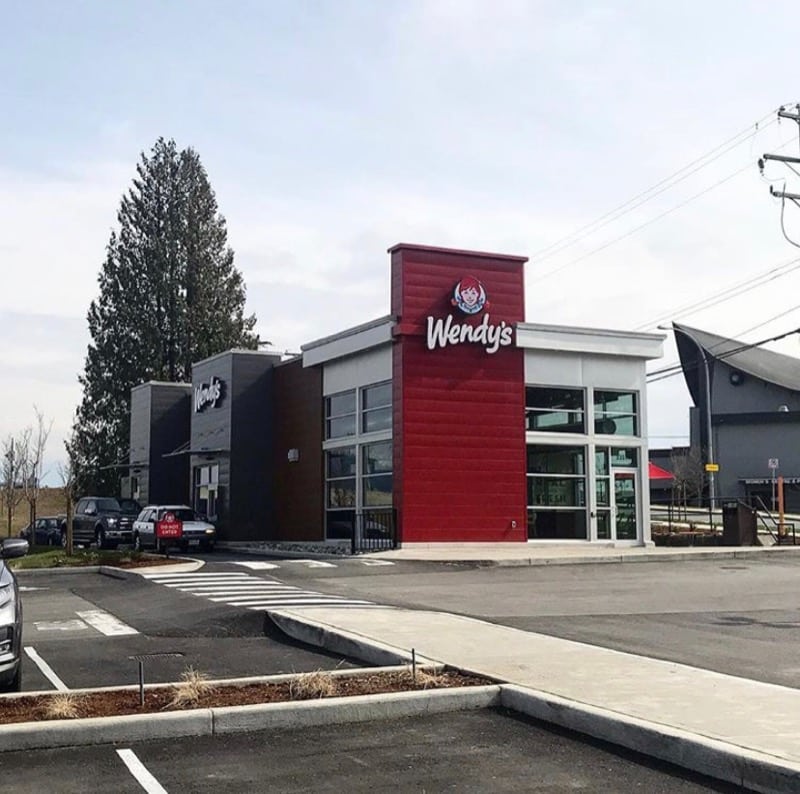
Signing a lease on a new commercial space is an exciting step for any business, but that space is rarely ready for you to simply move in and open the doors. Whether it is a bare shell, a former office that needs reconfiguring, or a retail unit set up for a completely different tenant, some work is almost always needed to make it truly yours. That work is called a tenant improvement, and knowing what to expect makes the whole process far less daunting.
If you are planning a commercial renovation or fit-out for a leased space in Langley, Surrey, Abbotsford, or anywhere across the Fraser Valley, here is a clear look at what a tenant improvement involves, how long it takes, who typically pays, and how to choose the right contractor.
What is a commercial tenant improvement?
A commercial tenant improvement, often shortened to a TI, is the work done to customize a leased commercial space for a tenant’s specific business needs. These projects range from simple cosmetic updates, like new paint, flooring, and lighting, to more involved commercial remodelling that includes moving walls, upgrading electrical and plumbing, building out washrooms, or reconfiguring an entire floor plan.
The scope depends on three things: the type of business moving in, the condition of the existing space, and the terms of the lease. A medical clinic taking over a former retail unit will need very different work than a tech company settling into a traditional office. This is also different from a commercial renovation of an owner-occupied building, mainly because a TI has to work within the bounds of a lease agreement as well as the building code.
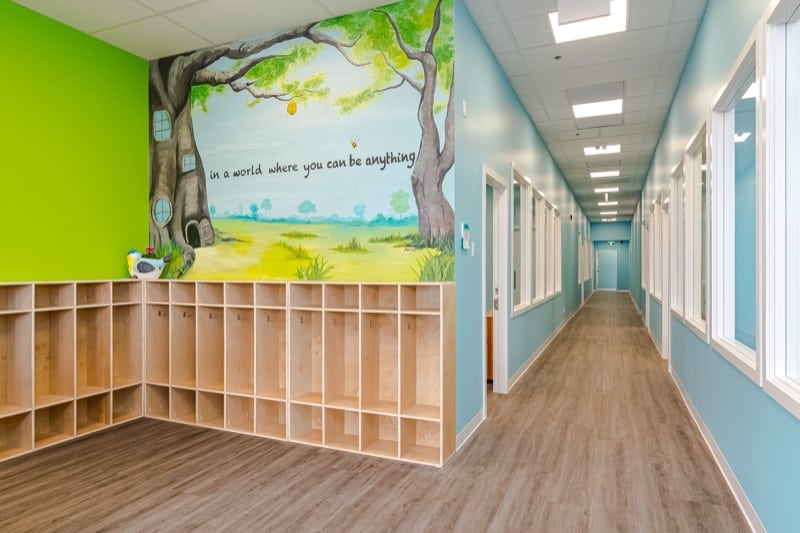
Common types of tenant improvement projects
Tenant improvements take many forms, but most fall into a few categories:
- Office and workspace upgrades, from open-plan reconfigurations to private offices, meeting rooms, and modern break areas.
- Retail store renovations, focused on layout, display, lighting, and the customer experience.
- Restaurant and hospitality remodels, which often involve specialized kitchen, ventilation, and plumbing work.
- Professional and medical spaces, which carry their own requirements for privacy, accessibility, and specialized rooms.
Each type comes with its own priorities, but they all share the same goal: turning a generic space into one that works for how you actually do business.
What to expect: the tenant improvement process
While every project is different, most commercial tenant improvements follow a similar path.
Planning and design. It starts with understanding your needs and mapping them onto the space. This is where a floor plan takes shape, and where your lease is reviewed so the design stays within what your agreement allows. Time spent here prevents costly changes later.
Budgeting. With a design in hand, you get a detailed scope and budget. This is also the stage to sort out the tenant improvement allowance, which we cover below, so everyone is clear on who is paying for what.
Permits and approvals. Most commercial tenant improvements require a building permit from the municipality, whether that is the City of Surrey, Langley, Abbotsford, or another Fraser Valley community, and the work must meet the BC Building Code along with any applicable safety and accessibility standards. Permit timelines vary, so this stage is worth starting early.
Construction. This is where the space transforms. A good contractor coordinates every trade, keeps the project on schedule, and works cleanly and safely, which matters especially when neighbouring units are occupied and open for business.
Final inspections and handover. Once the work passes its inspections, the space is ready for occupancy, and you can turn your attention to opening day.
Who pays for a tenant improvement?
One of the most common questions business owners have is who covers the cost. The answer usually comes down to the lease. Many commercial leases include a tenant improvement allowance, a set amount the landlord contributes toward the build-out, often expressed as a figure per square foot. If your project costs more than the allowance, you typically cover the difference.
Because this is negotiated as part of the lease, it is well worth clarifying before you sign. Understanding your allowance early shapes what is realistic for your budget, and a contractor experienced with tenant improvements can help you understand what your space will actually need.
How long does a tenant improvement take?
Timelines depend heavily on scope. A straightforward cosmetic refresh might take just a few weeks, while a full build-out involving new walls, systems, and specialized spaces can run several months once design and permitting are included.
The key is to start planning as early as possible, ideally before your lease or rent commencement date, so the space is ready when you need it. Design and permits happen before any construction begins, and building those stages into your timeline keeps you from paying rent on a space you cannot yet use.

How to choose a tenant improvement contractor
The contractor you choose has an enormous impact on how smoothly your project goes. Tenant improvement work is genuinely different from home renovation or new commercial construction, so you want a team that specializes in it.
When comparing a tenant improvement contractor in the Fraser Valley, look for a few things:
- Proven TI experience, ideally with projects similar to yours in type and scale.
- Comfort working within a lease and with property management, since tenant improvements often involve coordinating with landlords and neighbouring tenants.
- Proper licensing and insurance appropriate to commercial work.
- A clear process and strong communication, so you always know where your project stands.
- References and a portfolio of completed commercial work you can review.
The right contractor does more than build. They help you navigate permits, keep the project moving, and deliver a space that fits both your business and your budget.
At Sayer’s Contracting, we have been delivering commercial renovations and tenant improvements across the Fraser Valley since 2013. From office and workspace upgrades to retail and restaurant fit-outs, we handle the full process, guided by a detailed 15-step system and the JobTread platform, which gives you one place to track your project’s progress, budget, and schedule in real time. You can view our commercial project portfolio to see the quality of our work, and learn more about our commercial renovation services to see how we can help.
Planning a tenant improvement for your business? Get in touch with our team, and we will help you turn your new space into one that is ready to work as hard as you do.
Frequently asked questions
What is a commercial tenant improvement?
A tenant improvement, or TI, is the construction work done to customize a leased commercial space for a tenant’s business. It can range from cosmetic updates like paint and flooring to major work like new walls, electrical, plumbing, and specialized rooms.
Who pays for tenant improvements, the landlord or the tenant?
It depends on the lease. Many commercial leases include a tenant improvement allowance, a contribution from the landlord toward the build-out. If the project costs more than the allowance, the tenant usually covers the difference, so it is worth negotiating and clarifying before signing.
How long does a commercial tenant improvement take?
Anywhere from a few weeks for a cosmetic refresh to several months for a full build-out, once design and permits are included. Starting early, before your rent commencement date, helps ensure the space is ready when you need it.
Do I need a permit for a tenant improvement?
Most tenant improvements require a building permit from your local municipality and must meet the BC Building Code. An experienced commercial contractor will manage the permit process as part of your project.
What should I look for in a tenant improvement contractor?
Look for proven experience with commercial tenant improvements, comfort working within a lease and alongside property management, proper licensing and insurance, clear communication, and a portfolio of completed commercial work.
